Legacy Planning
The Great Wealth Transfer: Why Estate Planning Is About More Than Money
Over the coming decades, trillions of dollars are expected to pass from one generation to the next. The most meaningful legacies, however, include far more than money.
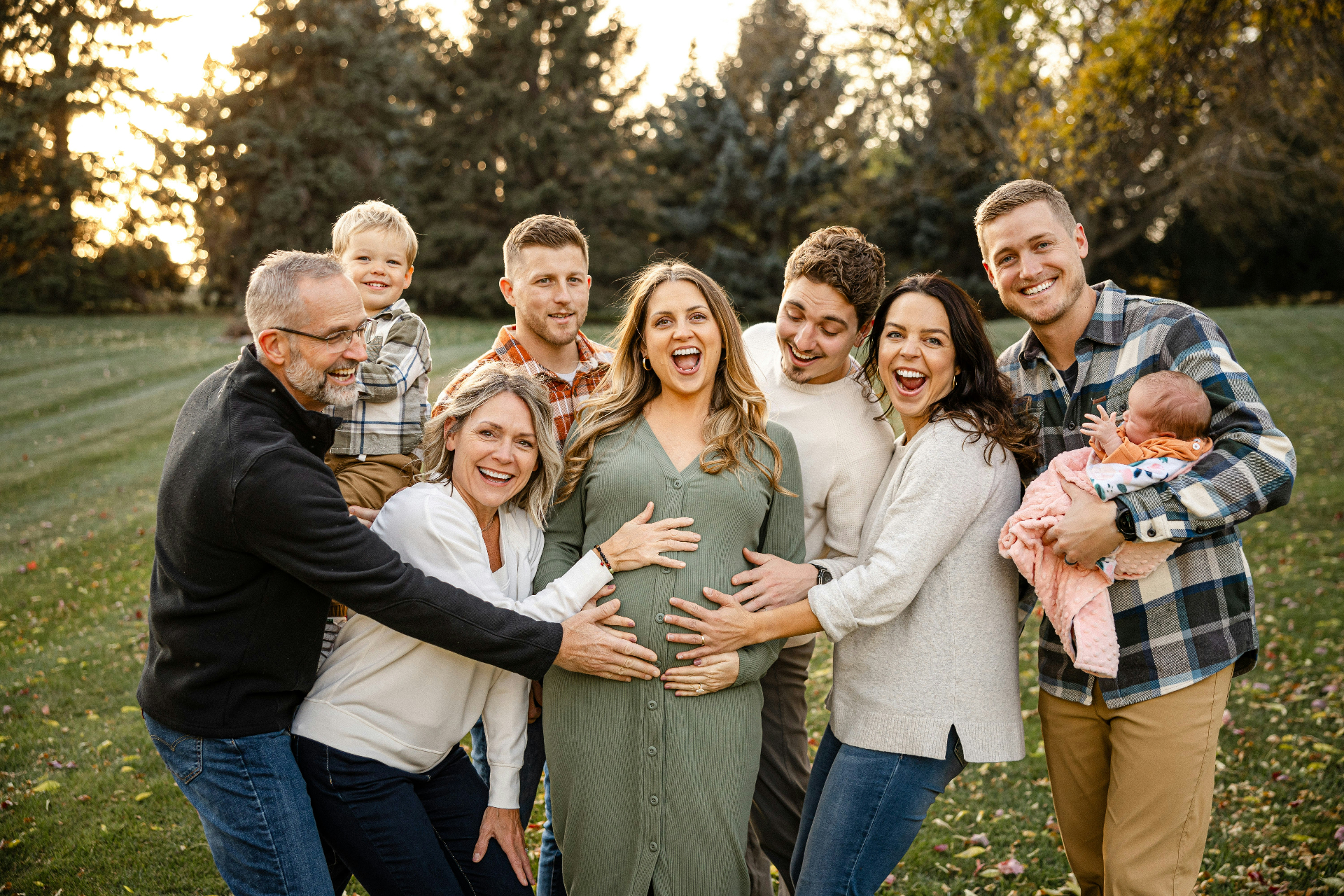
Over the coming decades, trillions of dollars are expected to pass from one generation to the next in what many experts call the "Great Wealth Transfer." Financial accounts, homes, family businesses, heirlooms, and other assets will move from parents and grandparents to children and grandchildren at an unprecedented scale.
Most discussions about the Great Wealth Transfer focus on the money.
But after years of helping families think through these decisions, I believe the more important question is this:
What else are you passing on?
An estate plan can transfer assets. A legacy plan can transfer values.
Wealth Is More Than What Appears on a Balance Sheet
When people think about inheritance, they often focus on financial assets:
- Bank accounts
- Investment accounts
- Real estate
- Retirement savings
- Business interests
These assets matter, and thoughtful planning can help ensure they are transferred efficiently and according to your wishes.
But families are rarely defined by their assets alone.
Every family also possesses a wealth of experiences, traditions, stories, lessons, and values that have been built over a lifetime.
Without intention, those things can be lost far more quickly than financial wealth.
The Real Risk Isn't Taxes
Many people assume the greatest threat to their legacy is taxation.
For most families today, that is not the primary concern.
A more common risk is that loved ones inherit assets without understanding the values, purpose, and intentions behind them.
Money can be transferred with the stroke of a pen.
Wisdom takes a little more effort.
Questions worth considering include:
- What lessons do you hope your children carry forward?
- What family traditions matter most to you?
- What experiences shaped your life?
- What do you want future generations to know about your values?
- What responsibilities come with the assets you are leaving behind?
These conversations are often more meaningful than discussions about who receives which account.
Preparing the Next Generation
One of the most overlooked aspects of estate planning is preparing beneficiaries to receive an inheritance.
This is especially true when adult children may someday serve as trustees, executors, agents under powers of attorney, or caregivers for family members.
An effective estate plan does more than distribute assets. It helps prepare the people who will be responsible for carrying out your wishes.
That preparation may include:
- Family conversations about your goals and values
- Explaining why decisions were made
- Organizing important information
- Clarifying fiduciary responsibilities
- Creating a roadmap for loved ones to follow
The goal is not simply to transfer wealth. The goal is to transfer confidence and clarity.
Legacy Is Built During Life
Many people think of estate planning as something that takes effect after death.
In reality, some of the most important legacy planning happens while you are still here.
The conversations you have with your family, the stories you share, and the example you set often become the most enduring gifts you leave behind.
Your estate plan provides the legal framework.
Your life provides the meaning.
A Different Way to Think About Estate Planning
Estate planning is often viewed as a collection of documents.
While those documents are important, they are really tools designed to support something larger.
At its best, estate planning helps families:
- Protect loved ones
- Prepare for incapacity
- Transfer assets efficiently
- Reduce uncertainty and conflict
- Preserve family values and stories
- Create a smoother transition for future generations
In other words, estate planning is not simply about what you leave to the people you love.
It is also about what you leave in them.
Final Thoughts
The Great Wealth Transfer is already underway.
As families prepare to pass assets from one generation to the next, it is worth remembering that the most valuable parts of a legacy are not always reflected on a financial statement.
The homes, savings, and investments you leave behind matter.
But so do your values, your wisdom, your stories, and the example you set.
A thoughtful estate plan can help protect both.
Because the ultimate goal is not simply to transfer wealth.
It is to leave a legacy that endures.
Share this article
Newsletter
Stay Connected
Receive practical estate planning insights, new resources, and thoughtful guidance for families navigating life's responsibilities across generations.